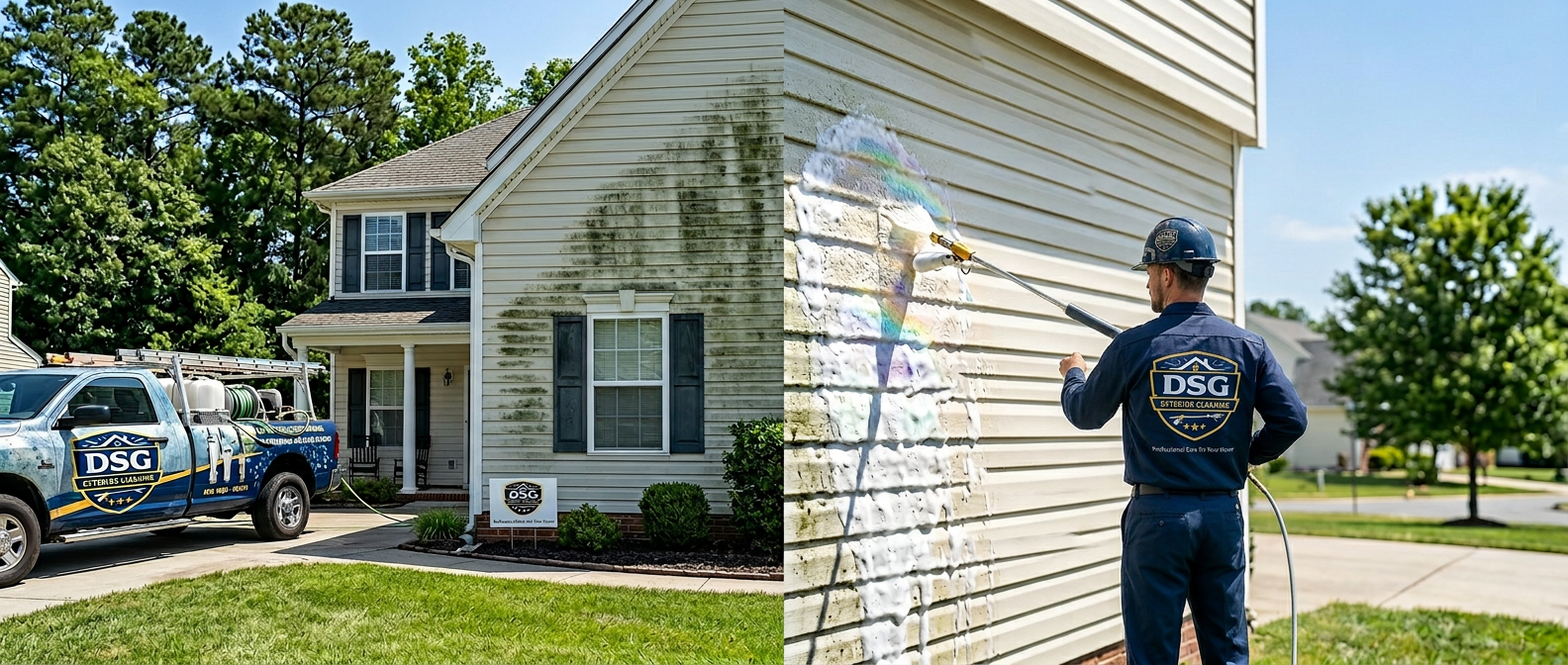
Your home is your biggest investment—and keeping its exterior clean isn't just about curb appeal. Regular soft washing protects your siding, extends its lifespan, and prevents costly damage from algae, mold, and mildew buildup.
But timing matters. Soft wash your home at the wrong time, and you might be wasting money or risking damage. Do it at the right time, and you'll enjoy months of pristine, protected surfaces.
So when exactly should you soft wash your home? Let's break it down by season, weather conditions, and warning signs that it's time for a cleaning.
The Best Time of Year to Soft Wash Your Home
Spring (April - May): Prime Cleaning Season
Why Spring is Ideal:
Spring is hands-down the most popular time for soft washing in the Hudson Valley, Westchester, and Putnam County areas—and for good reason:
- Winter cleanup: Your home has accumulated months of dirt, salt, and grime from winter weather
- Moderate temperatures: 55-75°F weather is perfect for chemical effectiveness without rapid evaporation
- Mild conditions: Less extreme heat means chemicals work optimally and plants are less stressed
- Pre-summer prep: Get your home looking fresh before outdoor entertaining season
- Algae activation: Organic growth begins accelerating in spring warmth—catching it early prevents heavy buildup
💡 Pro Tip: Early Spring Advantage
Schedule your soft wash in early spring (late April/early May) to beat the rush. You'll get preferred scheduling, and your home stays cleaner longer through the peak outdoor season.
Fall (September - October): Second Best Time
Why Fall Works Well:
Fall is the second-best window for soft washing, particularly in the Hudson Valley region:
- Summer buildup removal: Clear away months of pollen, dirt, and organic growth from humid summer weather
- Comfortable temperatures: Similar to spring—ideal 60-70°F range for optimal cleaning
- Pre-winter protection: Remove moisture-trapping contaminants before winter freeze-thaw cycles
- Less plant stress: Cooler weather means plants tolerate chemicals better than in summer heat
- Holiday prep: Get your home sparkling before holiday guests arrive
Best Fall Timing: Early-to-mid fall (September through mid-October) before temperatures drop too low. You want to finish soft washing before consistent nighttime temps fall below 40°F.
Summer (June - August): Proceed with Caution
Why Summer is Challenging:
Summer soft washing is possible but requires extra care:
- Rapid evaporation: Hot surfaces (80°F+) cause chemicals to dry too quickly, reducing effectiveness
- Plant stress: High heat + chemicals can stress vegetation more than in cooler months
- Peak algae growth: Mold and algae thrive in heat and humidity, requiring stronger solutions
- Scheduling challenges: Prime season = higher demand and longer wait times
When Summer Soft Washing Works:
- Early morning appointments (before 10 AM) when surfaces are cooler
- Overcast/cloudy days when sun isn't beating down on surfaces
- Homes with heavy algae/mold that can't wait until fall
- North-facing surfaces that stay shaded and cooler
⚠️ Summer Soft Washing Tip
If you must soft wash in peak summer heat, your contractor should pre-wet and post-rinse plants extra thoroughly, use slightly lower chemical concentrations, and work in sections to prevent chemicals from drying on surfaces.
Winter (November - March): Generally Not Recommended
Why Winter is Problematic:
- Temperature limits: Sodium hypochlorite (bleach) loses effectiveness below 40°F
- Freezing risk: Water can freeze on surfaces or in equipment
- Safety concerns: Ice on ladders, walkways, and surfaces creates hazards
- Plant dormancy: While plants are dormant, frozen ground prevents proper runoff absorption
- Unpredictable weather: Snow, ice, and sub-freezing temps make scheduling unreliable
Rare Exception: Mild winter days (50°F+ and sunny) in late fall or early spring can work for urgent cleaning needs, but these are the exception, not the rule.
Seasonal Soft Washing Schedule at a Glance
| Season | Recommendation | Why |
|---|---|---|
| Spring (Apr-May) | ✅ BEST | Perfect temps, winter cleanup, chemical effectiveness optimal |
| Summer (Jun-Aug) | ⚠️ CAUTION | Hot surfaces, plant stress—early morning/overcast days only |
| Fall (Sep-Oct) | ✅ EXCELLENT | Great temps, summer buildup removal, pre-winter protection |
| Winter (Nov-Mar) | ❌ AVOID | Too cold, freezing risk, chemical ineffectiveness |
Beyond Seasons: Weather Conditions That Matter
Even within the ideal seasons, specific weather conditions can make or break a soft washing job.
Ideal Weather Conditions for Soft Washing
✓ Perfect Soft Washing Weather Checklist:
- Temperature: 55-75°F (optimal chemical activity)
- Humidity: Moderate (helps chemicals cling to surfaces without drying too fast)
- Wind: Light or calm (<10 mph prevents overspray and chemical drift)
- Forecast: No rain for 4-6 hours after cleaning (allows chemicals to work and rinse properly)
- Sun: Overcast or morning/evening (prevents rapid evaporation on hot surfaces)
- Recent weather: Dry spell of 2-3 days (surfaces aren't saturated with moisture)
Weather Conditions to Avoid
❌ Don't Soft Wash When:
- Rain is imminent: Rain within 4-6 hours will wash away chemicals before they work
- High winds: Wind >15 mph causes chemical overspray and drift onto unintended areas (plants, cars, windows)
- Extreme heat: Temperatures >85°F cause rapid evaporation and can stress plants
- Freezing temperatures: <40°F reduces chemical effectiveness and creates ice hazards
- Direct blazing sun: Midday summer sun on south-facing walls causes chemicals to dry too quickly
🌦️ What If Weather Changes Mid-Job?
Professional contractors monitor weather closely. If rain moves in unexpectedly, they'll either expedite the rinse process or reschedule if chemicals haven't had time to work. Always choose a contractor who prioritizes quality over rushing through a job.
Warning Signs Your Home Needs Soft Washing NOW
Regardless of season, certain signs indicate your home needs immediate attention:
1. Visible Black or Green Streaks (Algae)
What it looks like: Dark vertical streaks on siding, especially on north-facing walls or shaded areas.
Why it matters: This is Gloeocapsa magma, a type of algae that feeds on limestone filler in vinyl siding. Left untreated, it causes permanent staining and deterioration.
Action: Schedule soft washing within 2-4 weeks. Algae spreads rapidly, especially in warm, humid weather.
2. Green or Brown Staining on Roofs
What it looks like: Dark streaks or patches on asphalt shingles, often on north-facing roof sections.
Why it matters: Algae retains moisture against shingles, accelerating deterioration and reducing roof lifespan by years. It also raises roof temperature (darker color absorbs more heat), increasing cooling costs.
Action: Schedule roof soft washing immediately. Delaying can void roof warranties and lead to premature replacement.
3. Mold or Mildew Around Windows, Doors, or Foundation
What it looks like: Fuzzy or powdery black, white, or green growth in corners, under eaves, or near the ground.
Why it matters: Mold can penetrate siding and enter your home, causing indoor air quality issues and health problems. It also signals moisture issues that need addressing.
Action: Soft wash within 1-2 weeks and inspect for underlying moisture problems (poor drainage, gutter issues, etc.).
4. Pollen Coating (Spring)
What it looks like: Yellow or greenish powdery layer covering siding, windows, and outdoor surfaces.
Why it matters: While pollen itself doesn't damage siding, it traps moisture against surfaces and provides a food source for algae and mold.
Action: Schedule soft washing 2-3 weeks after peak pollen season (late April/early May in Hudson Valley) to remove buildup before it becomes a bigger issue.
5. Chalky or Faded Appearance (Oxidation)
What it looks like: Siding looks dull, chalky, or faded; colors aren't as vibrant as they used to be.
Why it matters: UV exposure and weathering cause siding oxidation. While soft washing won't restore color, it removes oxidation layer and prevents further degradation.
Action: Soft wash annually in spring or fall to slow oxidation process. Consider professional restoration services if oxidation is severe.
6. Spider Webs, Wasp Nests, or Insect Activity
What it looks like: Webs in corners, eaves, and under soffits; wasp nests on siding or soffits; heavy insect activity.
Why it matters: Pests are attracted to dirty surfaces and organic buildup. Soft washing removes their habitat and food sources.
Action: Soft wash in early spring before pests establish nests, or in fall to eliminate existing activity before winter.
See These Warning Signs on Your Home?
Don't wait for the problem to get worse. DSG Exterior Cleaning provides professional soft washing services throughout Westchester, Putnam, and Dutchess counties.
How Often Should You Soft Wash Your Home?
The ideal frequency depends on several factors:
General Recommendation: Every 1-2 Years
For most homes in the Hudson Valley region, annual or biennial soft washing is sufficient to maintain appearance and protect your investment.
Pro Tip: Many homeowners schedule soft washing (siding/roof) in spring and pressure washing (driveway/walkway) in fall for complete exterior maintenance throughout the year.
Ready to Schedule Your Soft Wash?
Now that you know when to soft wash your home, the next step is choosing a professional contractor who understands these timing nuances and delivers quality results.
DSG Service Group specializes in soft washing for homeowners throughout the Hudson Valley region, including Westchester, Putnam, and Dutchess counties. We monitor weather closely, use professional-grade equipment, and guarantee results that protect your home and enhance your curb appeal.
Get Your Free Soft Washing Quote Today
Don't wait until organic growth damages your siding. Let DSG Exterior Cleaning restore your home's beauty and protect your investment.
Serving Westchester, Putnam, and Dutchess Counties | Licensed & Insured
Frequently Asked Questions
Can I soft wash my home in winter?
Generally not recommended. Sodium hypochlorite (bleach-based cleaner) loses effectiveness below 40°F, and freezing temperatures create safety hazards. If you have an urgent cleaning need in winter, schedule on a mild day (50°F+) with no freezing forecast for 24 hours.
What if it rains right after soft washing?
Light rain 4-6 hours after service is usually fine—chemicals have had time to work. Heavy rain within 2-3 hours may require re-treatment. Reputable contractors monitor weather and reschedule if rain is imminent.
Is soft washing safe for plants?
Yes, when done properly. Professional contractors pre-wet plants, use plant-safe surfactants, and thoroughly rinse vegetation after cleaning. Soft washing during moderate temperatures (spring/fall) is gentler on plants than summer heat.
How long does soft washing last?
Results typically last 12-24 months depending on your home's exposure to shade, moisture, and organic debris. Homes with full sun exposure and minimal tree coverage stay cleaner longer.
Should I soft wash before or after painting?
BEFORE. Soft washing removes dirt, mold, and chalky oxidation that prevent paint adhesion. Schedule soft washing 1-2 weeks before painting to allow surfaces to fully dry.
Can I soft wash my roof in summer?
Yes, but with caution. Choose early morning appointments (before 9 AM) when roof surface temperatures are cooler. Avoid midday summer soft washing when asphalt shingles can reach 150°F+.